



Atheromas
Removal of atheroma
Causes of atheroma formation
Advantages of removal at Esteva Clinic
Prices
- Individual selection of painless removal methods
- Radical solution to the problem
- Histological examination
Skin growths are a problem that should not be ignored, as over time they can change and cause physical and psychological discomfort. One of the common growths is an atheroma. It is a subcutaneous cystic structure that causes almost no discomfort, but it can become inflamed. Therefore, it is worth knowing in more detail what it is and when it is necessary to consult a specialist to avoid complications.
What is an atheroma and why is it dangerous?
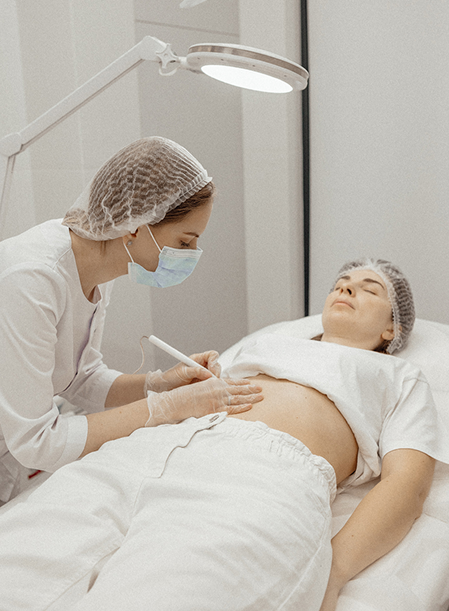
Atheroma or sebaceous gland cyst is a benign subcutaneous formation that arises due to blockage of the sebaceous gland duct. This structure produces sebum for the natural moisturizing and protection of the skin. If the duct is blocked, the secretion cannot exit and accumulates under the skin, forming a subcutaneous capsule that can become infected and cause diffuse inflammation of the surrounding tissues.
Why should atheromas be removed?In case of inflammation and suppuration, there is a risk of spreading infection to adjacent tissues.
In rare cases, if the infection enters the bloodstream, sepsis is possible.
The degeneration of an atheroma into a malignant tumor is rare, but if it increases in size, changes in appearance, or becomes painful, one should consult a doctor.
It is precisely because of these risks that an atheroma should be removed immediately once noticed.
How does an atheroma differ from a lipoma?
Atheroma is often confused with a lipoma (fatty lump), although these are different formations. Atheroma has the following characteristics:
- dense to the touch;
- fused with leather;
- may have a visible dark spot — a blocked duct;
- prone to inflammation and suppuration.
- soft, elastic;
- not bonded with the skin;
- the skin over the lipoma is unchanged;
- rarely ignites.
Lipomas are usually not dangerous, but they can reach significant sizes (10 cm or more). An epidermoid cyst, on the other hand, has a higher risk of complications, including infection and transformation into an abscess, which requires surgical intervention.
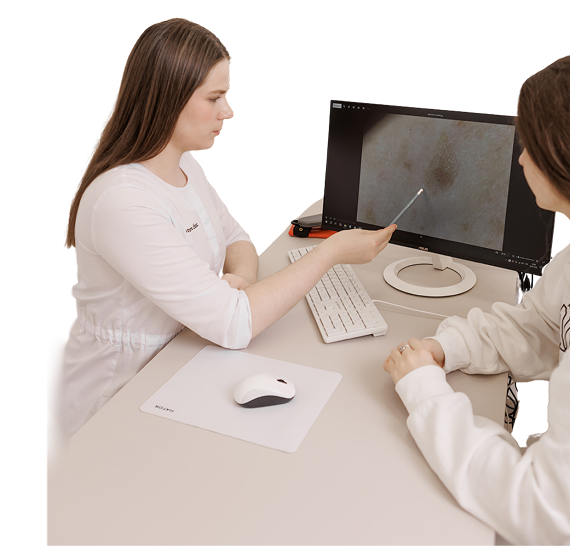
Removal of atheroma
If a diagnosis of atheroma is confirmed, removal is the only effective method of treatment. The choice of method depends on the size, location, and condition of the cyst.
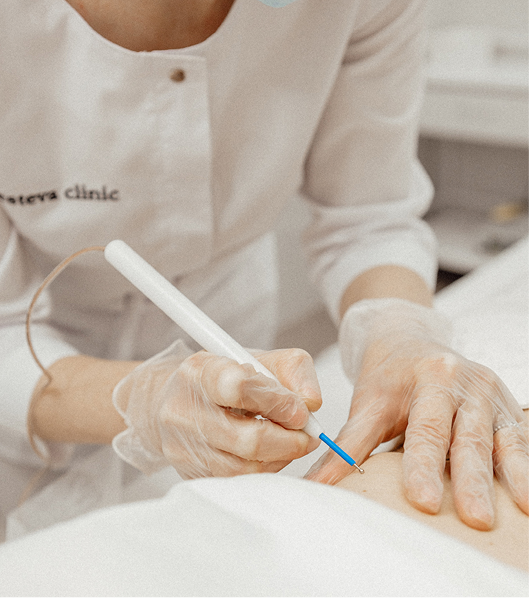
Most often, the treatment of atheroma is performed surgically. This is the most radical and reliable method, which involves complete removal of the cyst along with the capsule.
Sequence of atheroma removal:- disinfection of the surgical area;
- local anesthesia for pain relief of the intervention area;
- a small skin incision and removal of the cyst along with the capsule;
- suturing.
What you need to know about the procedure
As a rule, local anesthesia is sufficient for the removal of a mole. Except in serious cases, for example, a large size (more than 10 cm) or a complex location of the lesion (in sensitive areas: eyelids, genital area).
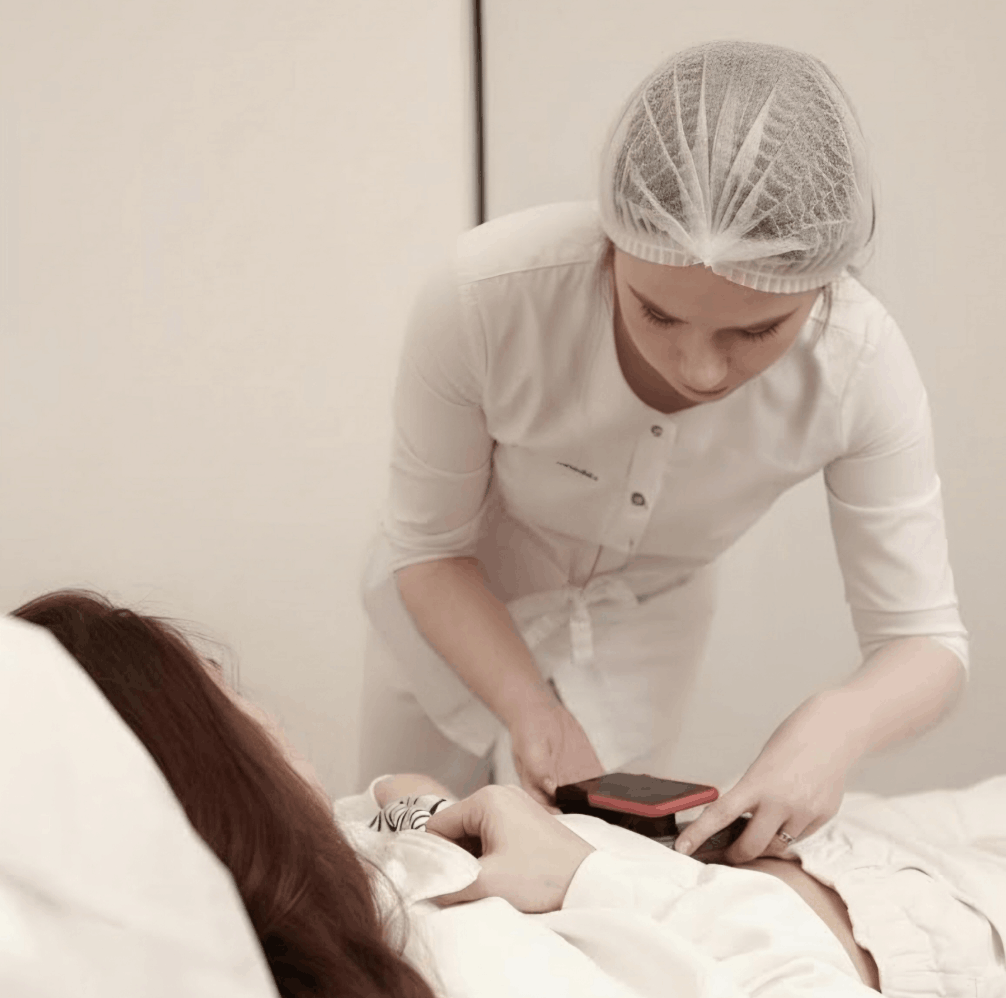
As a rule, local anesthesia is sufficient for the removal of a mole. Except in serious cases, for example, large size (more than 10 cm) or complex location of the lesion (in sensitive areas: eyelids, genital area).
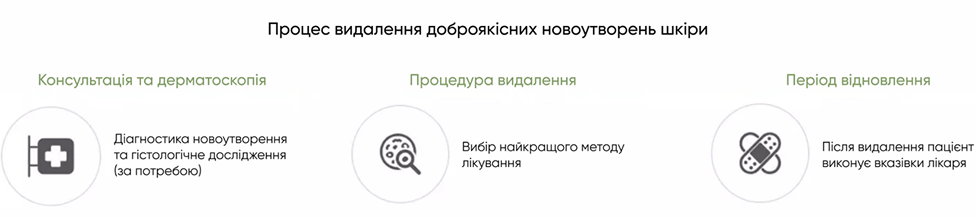
Like any surgical procedure, the removal of an atheroma carries certain risks if post-removal recommendations are not followed and may be accompanied by such complications:
- infection of the wound;
- recurrence in case of incomplete removal of the capsule, or due to its structural features; bleeding or hematoma;
- formation of a hypertrophic scar;
- temporary sensory disturbance in the area of intervention.
To minimize risks, it is advisable to follow the doctor's recommendations for wound care and to seek help immediately if signs of infection appear.
The main causes of the appearance of an atheroma
- Genetic predisposition. If there have been cases of sebaceous gland blockage and the formation of atheromas in the family, the likelihood of their occurrence increases.
- Skin injuries. Cuts, scratches, microtraumas can cause blockage of the sebaceous gland duct and the formation of a capsule.
- Hormonal changes. The period of puberty, hormonal fluctuations, and menopause affect the functioning of the sebaceous glands.
- Cosmetic products. Care products based on oil or products that have a comedogenic effect may contribute to duct blockage and cyst formation.
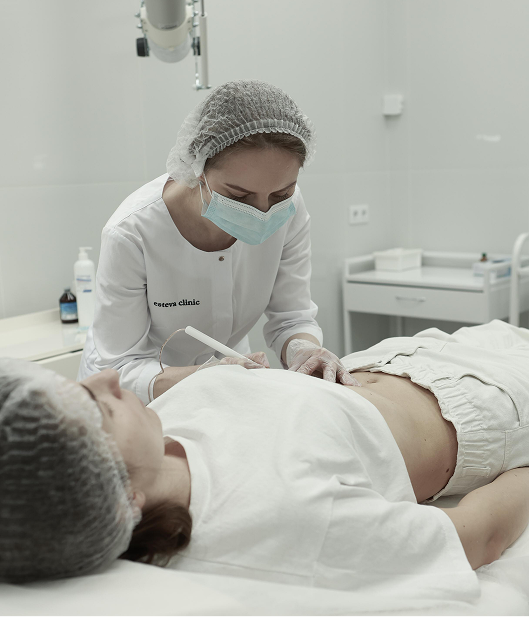
Diagnosis and treatment of atheroma
In most cases, the diagnosis is made during a doctor's examination. To assess the size, shape, and contents of the capsule, the doctor may prescribe additional methods of examination:
- Ultrasound examination (US). Allows evaluating the structure of the cyst, its size, and depth of location.
- Biopsy. Used in cases when it is necessary to clarify whether the formation is benign or malignant.
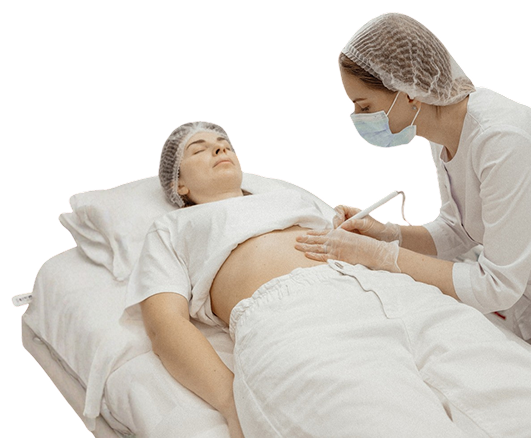
What complications can occur after the removal of an atheroma?
- wound infection;
- recurrence in case of incomplete capsule removal, or features of its structure;
- bleeding or hematoma;
- formation of a hypertrophic scar;
- temporary loss of sensation in the area of intervention.
Removal of an atheroma without surgery
It is impossible to completely get rid of an atheroma without surgery, as the cyst needs to be removed along with the capsule.
Non-surgical treatment (compresses, ointments, squeezing) only temporarily reduces inflammation, but does not address the cause and increases the risk of complications.
In case of inflammation, a doctor may prescribe anti-inflammatory drugs or cyst incision for pus drainage.
However, complete removal of the atheroma is possible only after the inflammatory process subsides. The only method that helps prevent recurrence is complete removal of the atheroma along with the capsule: surgically, by radio wave, or by laser method.
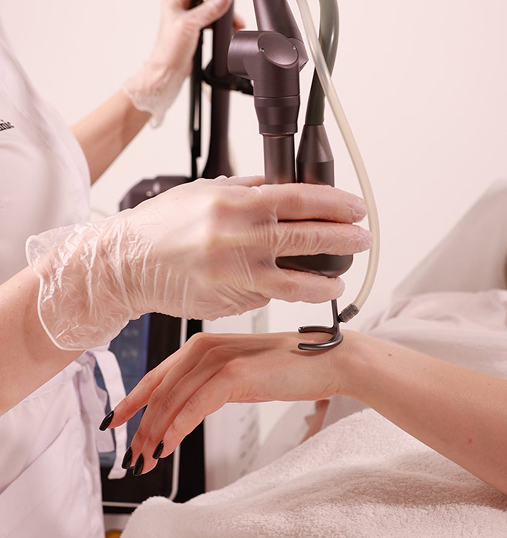
Advantages of treating atheroma at Esteva Clinic
Patients choose our clinic because of the following advantages:
- Radical removal of the mass with complete excision of the capsule, which minimizes the risk of recurrence..
- Atheroma on the body is removed on an outpatient basis – you can return to your usual life on the day of the procedure.
- The procedure is performed in a sterile operating room and using certified equipment.
- For your comfort, the removal is performed under local anesthesia and strictly according to medical protocols.
- The procedure is performed by an experienced dermatologist-surgeon.
We provide postoperative care – monitoring of healing, recommendations for the recovery period, and dressings.
Experienced dermatologic surgeons work at Esteva Clinic. Before the procedure, a detailed examination of the lesion is performed, and the optimal removal strategy is chosen for your safety and to achieve an aesthetic result.
Esteva Clinic combines the experience of clinical dermatology and aesthetic medicine, which allows all procedures to be performed as safely as possible and with minimal changes to the skin.
If you notice an atheroma or other growth on your body, do not delay — make an appointment for an initial consultation with a qualified dermatologist at our medical center.
The Esteva Clinic of Aesthetic Medicine in Kyiv offers removal of non-inflammatory atheromas — without signs of acute inflammation and infection. You can contact us if the atheroma on the skin is up to 3 cm in size and is located on the limbs or torso (abdomen, back, chest). If there is noticeable redness, pain, swelling, or discharge from the cyst, the atheroma is most likely purulent. In this case, anti-inflammatory and antibacterial therapy is required to reduce inflammation and subsequently plan the atheroma removal.
How much does surgical atheromas removal cost?
Видалення атером, ліпом, дерматофібром та гігром
| Назва процедури | Ціна, грн |
|---|---|
| Видалення атером / ліпом / дерматофібром / гігром Рівень складності 1 | 4950 (на тілі) 5950 (на обличчі) |
| Видалення атером / ліпом / дерматофібром / гігром Рівень складності 2 | 5950 (на тілі) 6950 (на обличчі) |
| Видалення атером / ліпом / дерматофібром / гігром Рівень складності 3 | 6950 (на тілі) 7950 (на обличчі) |
| Консультацію спеціаліста, гістологічне дослідження, знеболення включено у вартість хірургічного видалення | |
| Рівень складності визначається розміром новоутворення (5–15 мм), близькістю судин, розташуванням у анатомічно складних ділянках: складки, зона залоз, ділянка пахв, інтимна зона або в ділянках із підвищеним ростом волосся |